
Free OnlyFans Discovery Without Platform Search
Finding free OnlyFans pages is harder than it should be, because the platform itself offers no searchable directory. There is no discovery feed, no category browser, and no built-in ranking of creators. Everything the platform hosts is reachable only when someone already has a direct link. That gap is exactly why independent ranking sites exist, and why readers need a method for judging them.

This article sets out a practical approach to free page discovery outside platform search. It covers where listings come from, how regular users check them, and how to build a shortlist without wasting time on dead or misleading links. No step here requires special tools, only a few consistent habits.
The core difficulty is structural. Free pages exist in large numbers, but they are invisible unless a creator or a third party points to them. A free page is simply a page where the subscription price is set to $0, with earnings coming from pay-per-view messages and tips instead. Since the platform does not surface those pages, discovery happens elsewhere.
Why Search Falls Short
Anyone who has tried to find a creator by name inside the platform knows the limits. There is no global search field that returns pages, no tag system, and no recommendation engine driven by viewing habits. The absence is deliberate rather than accidental, and it shapes how the entire free-page ecosystem works.
Paid pages have a clearer structure by comparison. Subscription prices run from $4.99 at the minimum to $49.99 at the maximum, with typical pages sitting between $4.99 and $15 and averages landing around $5 to $10. There is no base price below $4.99, and only promotional first months may dip under that floor. Free pages sit at $0 and monetise differently.
| Item | Value covered here |
| Minimum paid subscription | $4.99 |
| Maximum paid subscription | $49.99 |
| Typical paid range | $4.99 to $15 |
| Average paid price | $5 to $10 |
| Free page price | $0, earnings from PPV and tips |
| Platform fee | 20% of subs, tips and PPV |
| Creator share | 80% |
That 20% platform fee applies to everything, including tips and pay-per-view, and the creator keeps the remaining 80%. It is one of the few numbers that stays constant across page types. Knowing it helps explain why so many creators run a free page alongside a paid one rather than choosing between them.

External Channel Types
Because the platform provides no directory, discovery has drifted to outside channels. These range from hand-curated blogs to forum threads and social posts. Each has a different cost in time and a different level of reliability, and most experienced users rely on more than one.
- Independent ranking sites that group pages by theme or region
- Community forum threads where users post and discuss links
- Social media posts where creators share their own page links
- Link lists maintained by individual bloggers and newsletters
- Cross-promotion between creators who mention each other
- Bookmark collections shared between friends or small groups
A ranking site such as BestOnlyFans sits in the first category. Its value depends on how often it is updated and whether entries point to pages that still exist. Any listing site that has not been touched in months will contain broken links, because creators delete pages or change handles without notice.

Community Verification Habits
Regular users develop quick checks before they commit time to a page. These checks are informal but consistent, and they filter out most of the noise. The habits below show up repeatedly in forum discussions about discovery.
- Confirming the link opens a real profile rather than a redirect
- Checking whether the page is genuinely priced at $0
- Reading recent comments from other users on the same thread
- Comparing the account name against posts on other platforms
- Testing whether the profile responds to a normal message
- Noting whether the listing site labels pages as free or paid
Verification is mostly about consistency. When a name, a link, and a posting history all line up, the page is almost always legitimate. When one of those three pieces is missing, the listing deserves a second look before any time is spent on it.
Practical tip: a listing site that does not show a clear label for free versus paid pages will cost you more time than it saves. Skip it and use one that states the price plainly.

Channel Reliability
Not every discovery channel performs equally. Some surface fresh links daily but carry little context, while others update slowly and explain each entry. The trade-off between volume and accuracy is the main decision a reader has to make.
- Curated ranking sites: slower updates, more context per entry
- Forum threads: fast updates, accuracy depends on the thread
- Creator social posts: reliable about the creator, narrow in scope
- Personal newsletters: consistent tone, limited coverage
- Shared bookmarks: useful within a group, invisible outside it
- Aggregator blogs: wide coverage, uneven maintenance
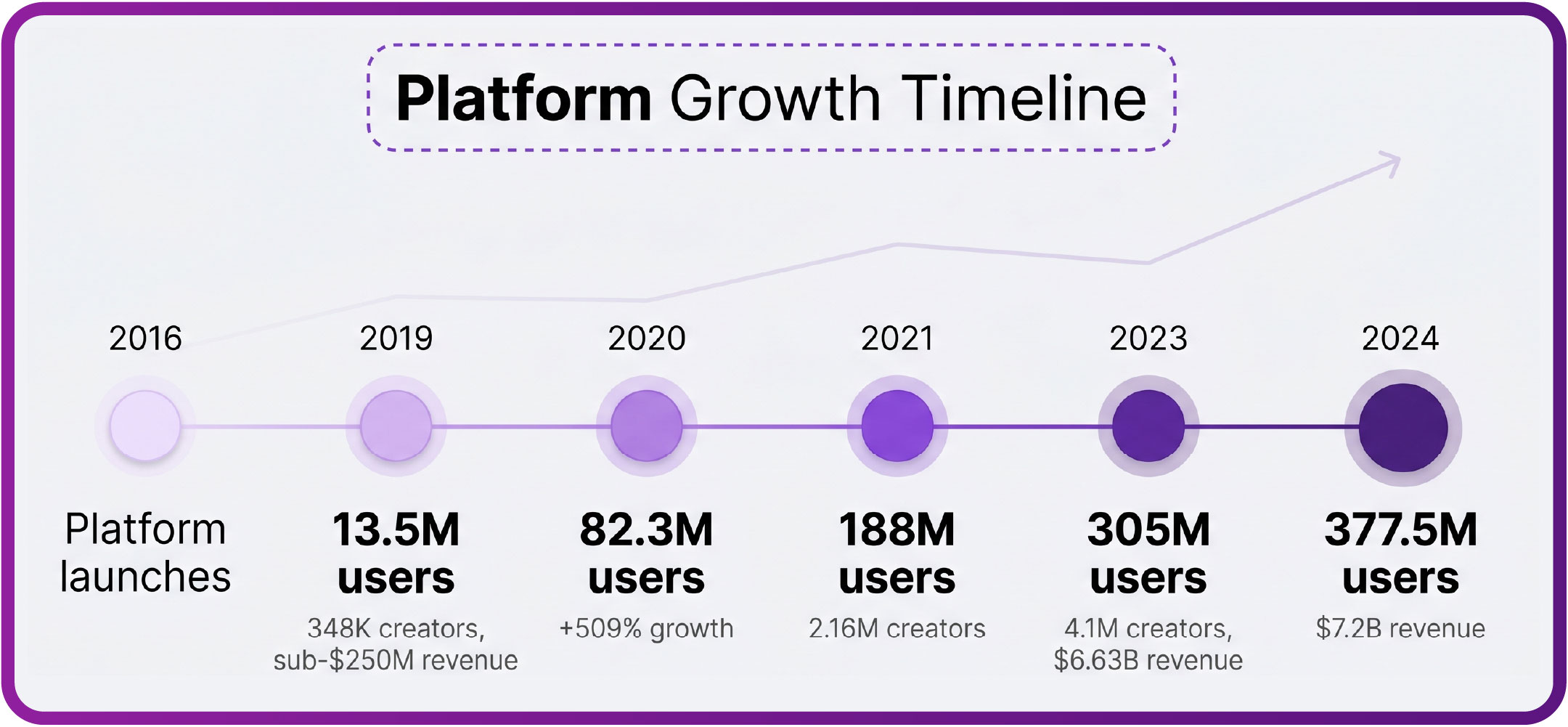
Platform growth explains why the volume of listings keeps rising. As more creators join, more links circulate, and the maintenance burden on any single directory increases. A site that handled a few hundred entries comfortably becomes harder to keep current at several thousand. For a starting point, free onlyfans creator pages collects free pages.

Cross-Platform Checks
A link on its own proves very little. The stronger check is whether the same creator identity appears in more than one place with matching details. This is the step most casual searchers skip, and it is the one that prevents wasted effort.
- Open the page link and note the exact creator handle shown
- Search that handle on a second platform and compare the wording of the bio
- Check whether the linked page states a price of $0 in its own header
- Look for a posting date on the discovery listing and compare it to recent activity
- Confirm any cross-promotion mentioned in a post actually exists
When the handle matches across platforms and the page confirms its own price, the listing can be trusted for practical purposes. If the handle differs slightly, treat it as a different account until proven otherwise.
Understanding free onlyfans creator pages also means understanding what happens after a subscription starts. If a creator later raises the subscription price, auto-renew stops, and existing access lasts only until the current paid period ends. Subscribers are not charged the new rate automatically.

Red Flags in Listings
Most bad listings fail in predictable ways. The warning signs are visible before any subscription is made, provided the reader slows down long enough to notice them.
- Entries with no stated price or a price that contradicts the page itself
- Links that pass through several redirect domains before landing
- Listings that describe content in vague promotional language
- Pages with no posting history and no linked social accounts
- Directories that mix free and paid entries without indicating which is which
- Listings that promise a price below $4.99 outside a first-month promotion
That last point matters more than it appears. Because no base price sits below $4.99, any listing claiming a permanent rate under that figure is describing a promotional first month, not a standard subscription. Free pages are the exception, since their price is $0 by definition.
Building a Shortlist
A workable shortlist is short by design. Five to ten pages is enough to test, and a list longer than that becomes a maintenance task rather than a resource. The goal is accuracy, not volume.
| Discovery habit | Shortlist outcome |
| Checking the stated price | Only $0 pages kept |
| Matching handles across platforms | Duplicate and fake entries removed |
| Reading recent comments | Dead links dropped before testing |
| Using one maintained directory | Fewer broken entries over time |
| Rechecking monthly | List stays current |
Once a shortlist is set, the work becomes routine. A quick monthly pass removes pages that have closed or changed direction, and the remaining entries stay useful. BestOnlyFans and similar curated sites reduce the manual effort, but they do not remove the need for a personal check.
Cancelling access is part of the same routine. The subscription dialog lists the standard cancellation reasons, and the process takes only a few steps. If a price change has occurred, auto-renew will already have stopped, so the subscription lapses at the end of the current period without further action.
Earnings distribution across the platform is uneven, and that shapes discovery as well. Free pages that attract steady pay-per-view and tips behave differently from those that do not, and listing sites tend to favour the active ones. A shortlist built on activity signals will stay relevant longer than one built on a single snapshot of a directory. BestOnlyFans refreshes its rankings every month.
FAQ
Why can free pages not be found inside the platform’s own search?
The platform has no discovery feed or directory, so pages are only visible through direct links. Outside ranking sites and community threads fill that gap.
Is a page ever genuinely priced below $4.99?
Only during a promotional first month. There is no base subscription price below $4.99, while free pages are priced at $0.
What happens if a creator raises the subscription price later?
Auto-renew stops, and existing access continues until the current paid period ends. The new rate does not apply automatically.
How much of each payment reaches the creator?
The platform takes a 20% fee on subscriptions, tips and pay-per-view, and the creator keeps the remaining 80%.